
Drones at a Crossroads – From Innovation to Integration
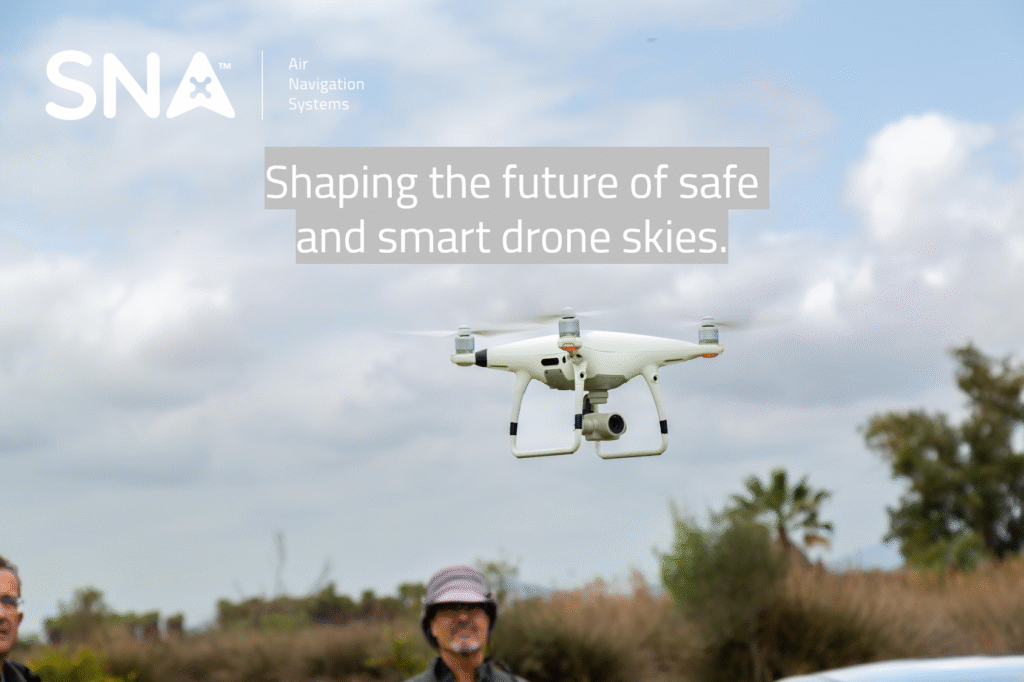
Today, on International Drone Day, we reflect on how far Unmanned Aircraft Systems (UAS) have come—and how much further they still have to go. Once viewed as futuristic gadgets or niche military tools, drones have rapidly evolved into versatile platforms supporting agriculture, logistics, environmental monitoring, infrastructure inspection, and emergency response. They are no longer outliers—they are part of the airspace.
Yet, as researchers and developers in the field of air navigation systems, we recognize that we are at a crucial turning point. The challenge is no longer only technological—it is systemic. Integrating drones safely and efficiently into civilian airspace requires:
- Robust communication and surveillance infrastructure
- Advanced detect-and-avoid technologies
- Clear, harmonized regulations
The U-space framework, developed to manage complex drone operations with high levels of automation, represents a key European initiative in this direction. However, its rollout remains uneven across member states, and many questions about interoperability, liability, and airspace access are still unresolved.
The EU ATM (Air Traffic Management) Master Plan—the roadmap guiding the modernization of Europe’s air traffic management system—has recognized the importance of integrating UAS into the broader aviation ecosystem. This plan emphasizes seamless coordination between manned and unmanned aircraft, with digital and automated solutions playing a central role. Drones are no longer on the periphery of aviation—they are integral to its future.
At the same time, we must confront the dual-use nature of drones. While their civil potential is vast, concerns around privacy, safety, and malicious use persist. The EU Drone Strategy 2.0, released in late 2022, acknowledges this by setting out a vision for a “smart and sustainable unmanned aircraft eco-system” by 2030. It emphasizes not only technological innovation but also:
- Public trust
- Environmental sustainability
- Cybersecurity
- Development of counter-UAS capabilities
As researchers, we believe it is our responsibility to lead by example—by prioritizing ethical design, transparency, and public engagement. This includes:
- Strengthening U-space against cyberthreats
- Supporting responsible innovation
- Ensuring that counter-UAS measures align with European values and regulations
At the SNA group of the Universitat Politècnica de València, we are committed to advancing:
- Drone performance-based CNS
- U-space services
- Risk assessment systems
…that support the safe, scalable, and sustainable integration of drones into shared airspace. Our work—ranging from theoretical modeling to real-world validation—is aligned with Europe’s broader strategic goals: to build trust in the technology, in the systems that support it, and in the future it enables.
This International Drone Day, let’s celebrate not just how drones fly—but how far we’ve come in guiding them safely into the skies we all share.